
:quality(80))
Despite progress, women remain underrepresented across these fields.
According to United Nations data, in 2022 women made up just 31.1% of researchers worldwide, underscoring the persistent gender gaps that continue to shape science, technology and innovation.
This year’s theme is a reminder that meaningful change requires collaboration across disciplines, from closing gender gaps in digital skills to supporting women-led innovation, inclusive and responsible AI, and investment decisions that reflect both social and economic impact.
At the Hamilton Centre, we’re proud to see our researchers contributing to this progress through their work in addiction and mental health. Their research supports a more sustainable, integrated system of care and better outcomes for those who need it most.
Take a moment to explore some of their recent work:
Dr Ali Cheetham is the lead author of a study identifying high rates of complex trauma that can create barriers to treatment among people who use supervised injecting facilities. The research highlights how stigma, exclusion and untreated PTSD can affect engagement with care.
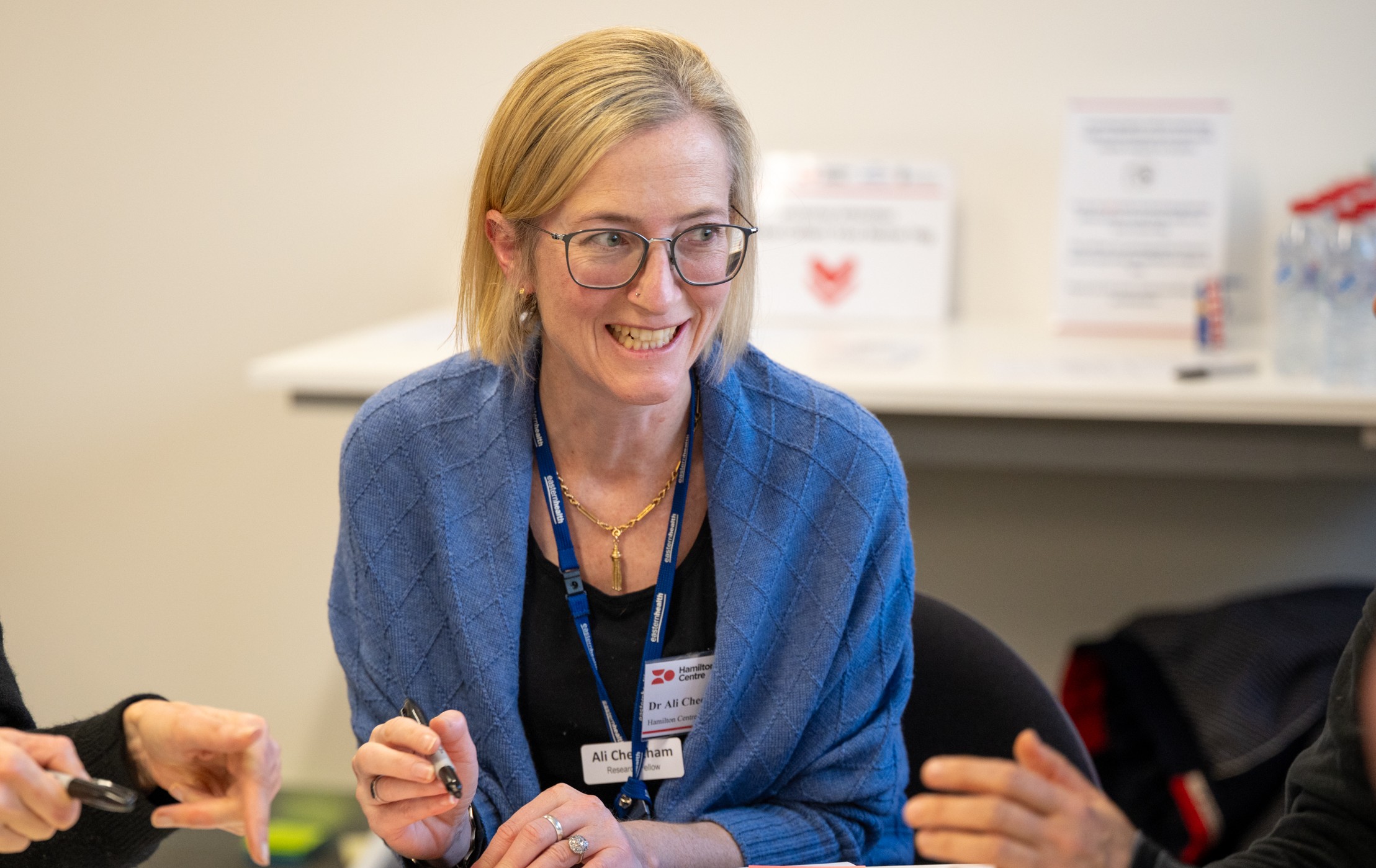 Dr Ali Cheetham, Hamilton Centre Research Fellow
Dr Katrin Oliver presented at APSAD 2025 and the Evidence & Implementation Summit 2025 on a co-designed roadmap for workforce development. Developed with clinicians, peer workers and lived-experience advocates from across Victoria, the work explores why integrated care requires systemic and cultural change.
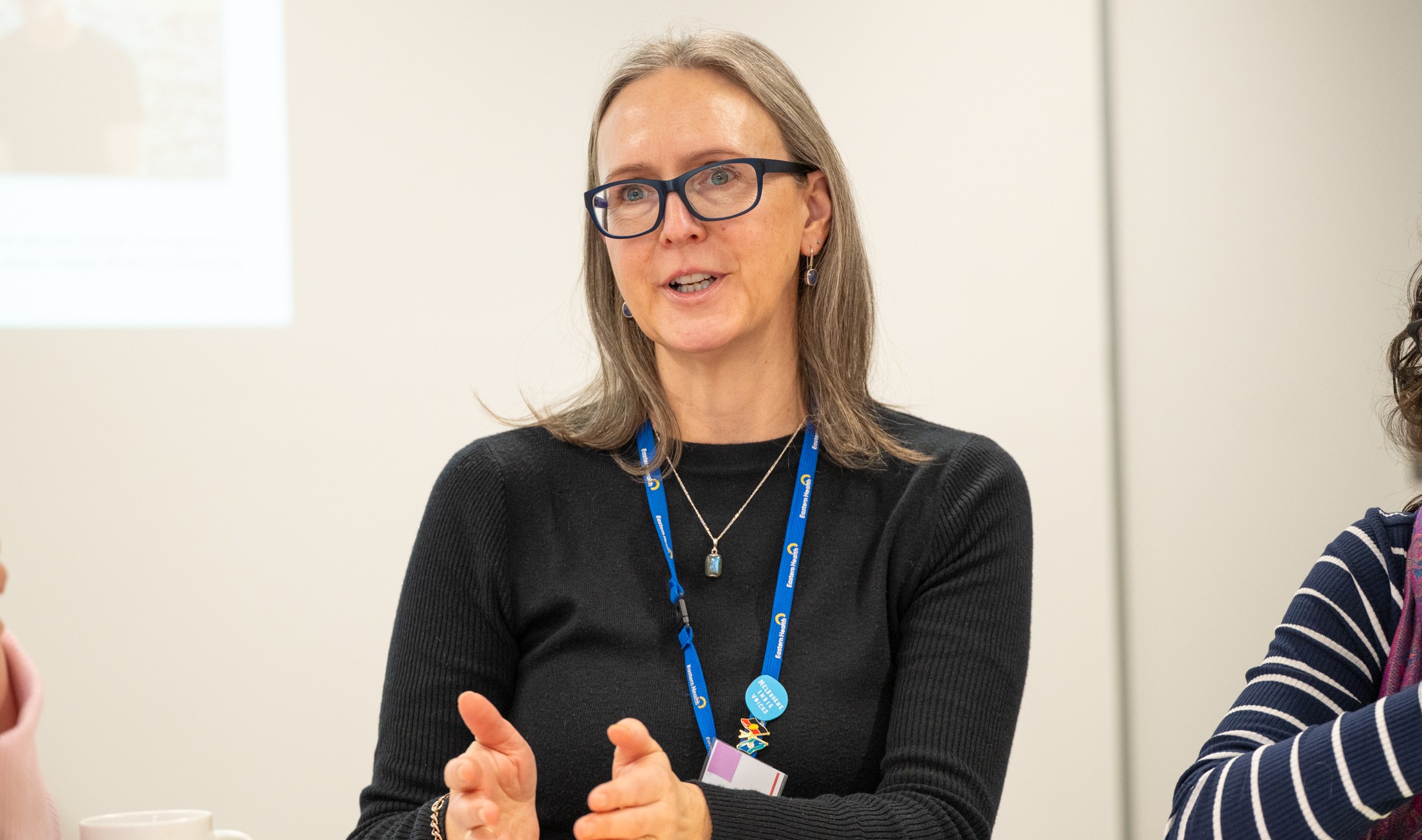 Dr Katrin Oliver, Hamilton Centre Education and Training Lead
A/Prof Shalini Arunogiri presented at the Florey Institute’s 2025 Public Lecture Series on the intersection of stress and addiction in women’s mental health. Her talk highlighted the disproportionate social and trauma-related risks women face, underscoring the need for accessible, evidence-based, women-specific treatment approaches.
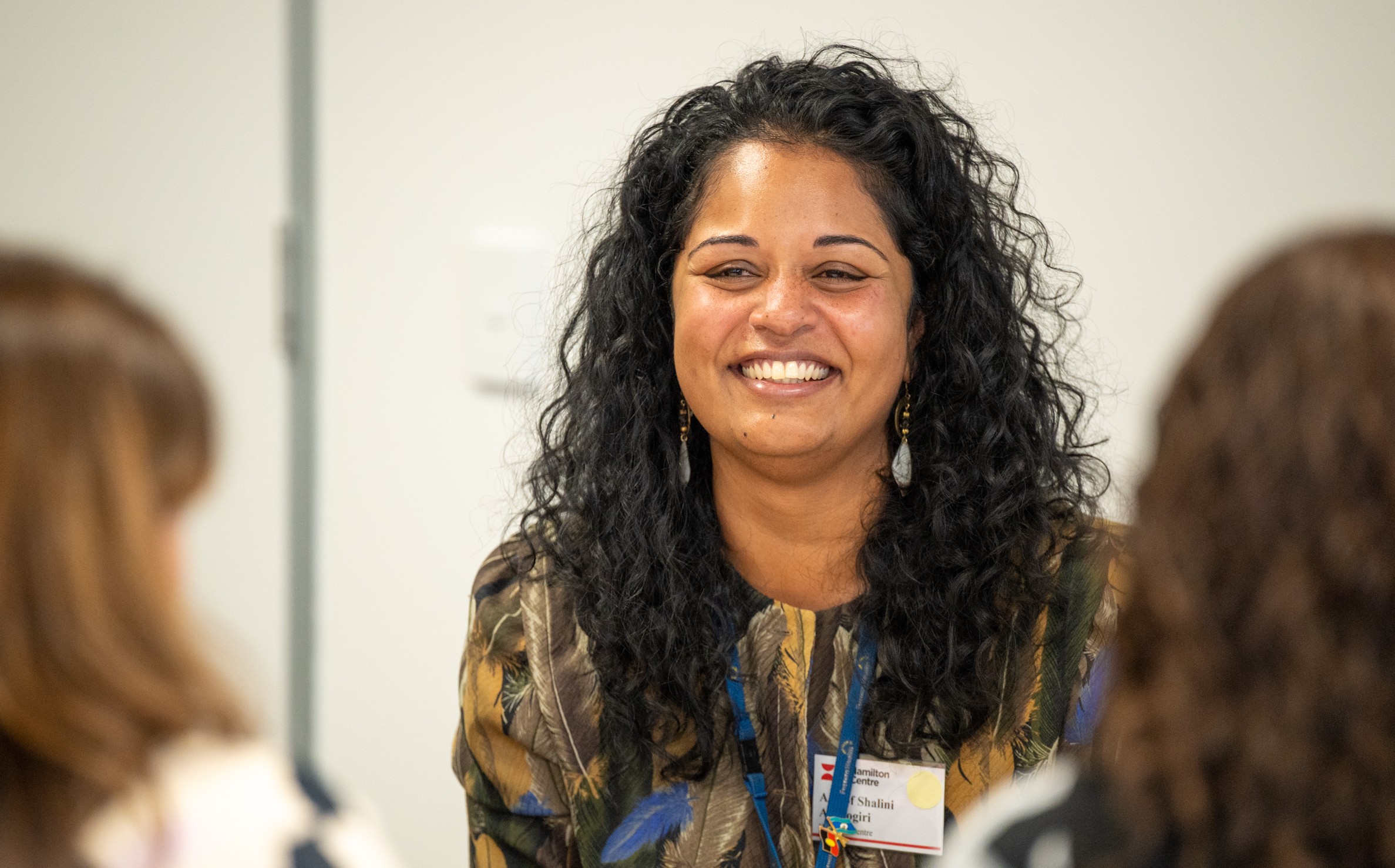 A/Prof Shalini Arunogiri, Hamilton Centre Clinical Director
Alice Frank is presenting at the VCCMHW Summer Learning Series on pharmacotherapy, drawing on findings from the Hamilton Centre Opioid Pharmacotherapy Survey. Her presentation will explore the bidirectional relationship between mental health and substance use, and the implications for treatment and outcomes.
Lisa Jarvie and Dr Ali Cheetham are also contributing to a collaborative study on effective treatments for pain and opioid dependence, incorporating lived-experience voices and evidence. The project brings together Monash University, Turning Point and other sector partners.
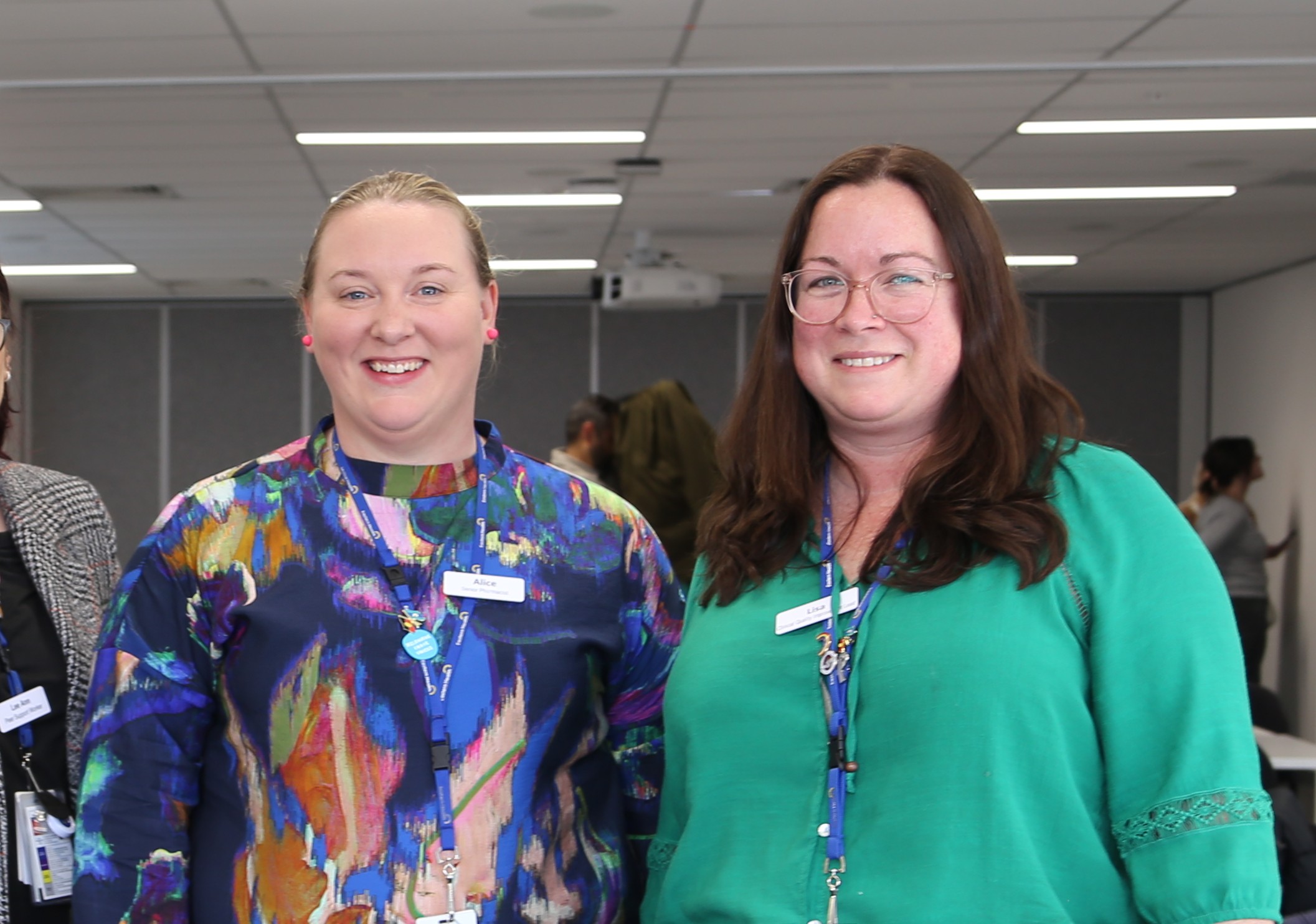 Left to right: Alice Frank, Senior Pharmacist and Lisa Jarvie, Clinical Quality Improvement Lead at the Hamilton Centre